 Anasayfa
 Canlı Borsa
 Borsa
Borsa Döviz Kurları
 Altın
Altın Hisse Senetleri
 Endeksler
 Kripto Paralar
 Döviz Hesaplama
 Döviz Çevirici
 Kredi Arama
 kriptohavadis
One of the most critical figures in a crypto theft, Ilya Lichtenstein, was released early from prison in connection with the Bitfinex heist, where approximately 120,000 Bitcoin were stolen. He stated that he was released early thanks to Trump’s First Step Act, and in a message shared on X, he expressed his determination to create a positive impact in cybersecurity.
First Step Act was signed into law in 2018 and allows for early release of inmates through rehabilitation programs and productive activities. Lichtenstein proudly mentioned this and hoped to turn the results of his efforts, conducted with his family, into social benefit.
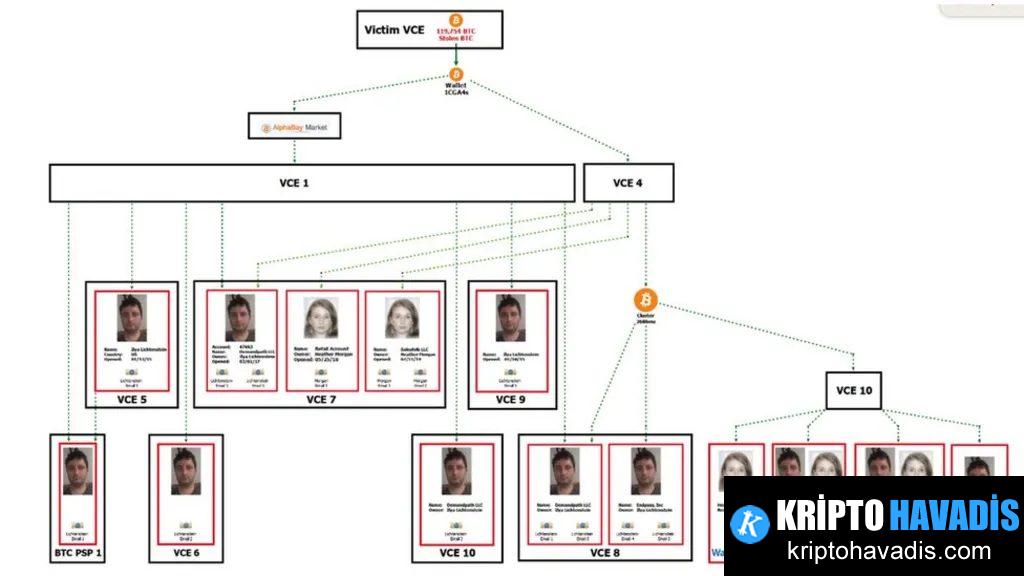
It is noted that during this process, Lichtenstein and his wife Heather Morgan were arrested in New York in 2022. Authorities uncovered that the couple attempted to hide the wealth they earned illegally by laundering the crypto heist through their activities. Morgan, describing herself in Forbes as an “economist, serial entrepreneur, software investor, and rapper,” denied assisting in money laundering methods. Prosecutorial records from both sides show efforts to obscure links through methods like identity forgery and small crypto transfers.
Numerous charges and negotiations as part of a legal process played a significant role in mitigating penalties in other criminal prosecutions of this couple. Morgan was sentenced to 18 months and was released in October 2024 after about eight months. Judges, considering the harsh pre-trial detention conditions and Morgan’s health issues, decided to release her under “timed service”. Following this, she expressed her excitement about her series and projects in a video shared on X: “A respectful closing and I will start telling my story.”
Trump’s crypto amnesties deepened political debates. In March 2025, Trump issued pardons that tempered sentences for the founders and employees of BitMEX accused of violating the Bank Secrecy Act; additionally, Binance founder Changpeng Zhao was also pardoned for similar reasons. Zhao’s failure to effectively implement AML programs on the world’s largest crypto platform came into discussion. During this process, California Governor Gavin Newsom continued his critical stance against Trump’s pardons and continued sharing data via a public platform that addresses pardons in the state.
Among the latest developments, it appears that these pardon processes have triggered important debates on how they will shape ethics and security incidents in the crypto industry. With the digitization of international financial movements, legal situations and political decisions related to crypto are emerging as key issues for public safety and the integrity of the digital economy.