 Anasayfa
 Canlı Borsa
 Borsa
Borsa Döviz Kurları
 Altın
Altın Hisse Senetleri
 Endeksler
 Kripto Paralar
 Döviz Hesaplama
 Döviz Çevirici
 Kredi Arama
 kriptohavadis
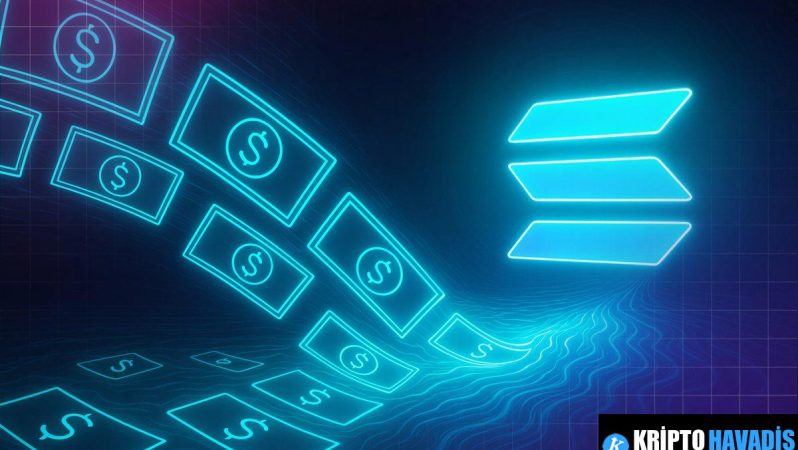
Investors, Within two weeks, new US ETFs focused on Solana saw over USD 280 million inflow, and analysts forecast a total additional entry of USD 5 billion within the next 12 months. As Solana becomes central to institutional portfolios, ETFs, wallets, and consumer applications are questioning whether high-speed transactions are sustainable.
Web3 infrastructure company Alchemy completely redesigned the Solana stack in response to growing demand. The revamped architecture promises near-zero downtime, faster response times, and higher efficiency; thus, institutional and retail users can access on-chain data seamlessly even under heavy load.
This week, Solana demonstrated resilience against rising Fed concerns, and policymakers warned that December’s rate cut is not inevitable. BSOL triggered USD 417 million in new capital inflow into the Solana ecosystem and created a new touchpoint for US investors to access SOL staking yields in a regulated manner. Throughout the week, BSOL maintained the largest volume among all crypto ETPs and ranked 16th; additionally, a tweet shared by Eric Balchunas highlighted the impressive volume during the week.
Restructuring for Scalability and Speed
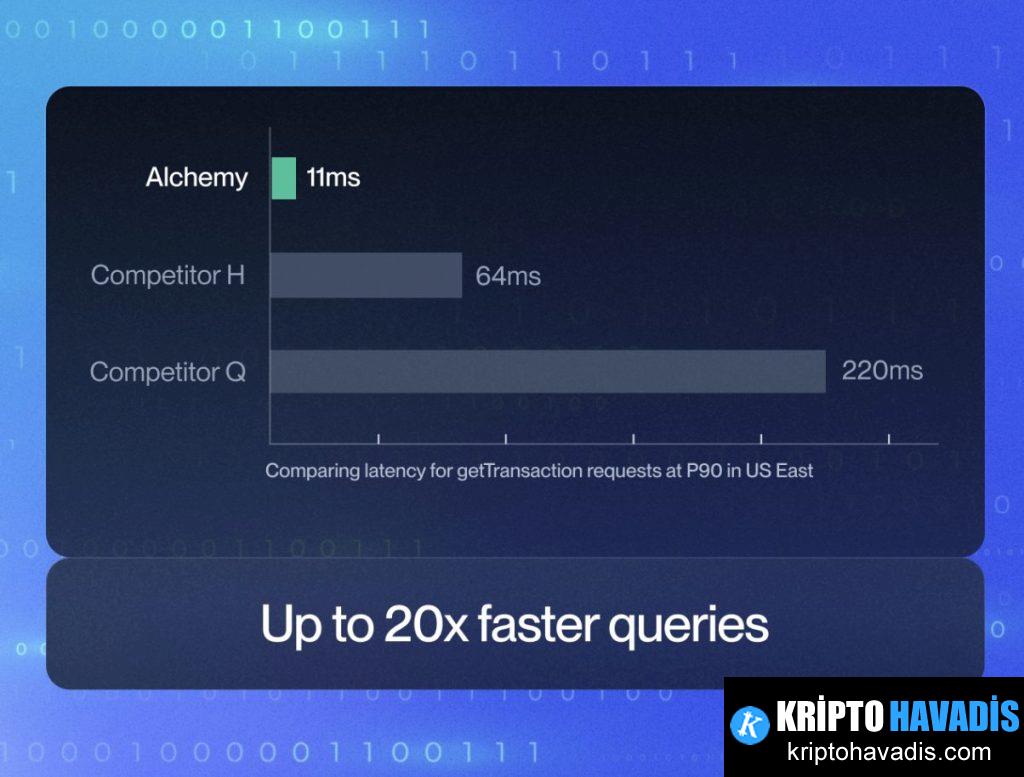
Alchemy explains the rebuild process for Solana as the result of a two-year collaboration with ecosystem developers. Working with teams like Bags.fm, Solflare, and Robinhood, real bottlenecks faced by developers in accessing Solana data were examined. As a result, new RPC and Streaming APIs tailored for Solana were developed. The updated infrastructure delivers 20 times faster responses for archive calls, achieves a downtime of 0.005%, and handles twice the transaction volume of previous versions. The improved system can process large data sets reliably and provides almost instant responses under heavy transaction loads. This enhances user experience for exchanges, wallets, and data-dependent analytics platforms.
Solution to the “Breaking the Glass” Challenge
Solana developers have long characterized the network’s complexity as “breaking the glass,” referring to the technical environment required to build advanced financial products. Although the core protocol has matured, the surrounding tools and infrastructure often struggled to keep pace. Alchemy’s research showed that limitations in Bigtable-based RPC systems led to missing records, restrictions, and incomplete datasets when accessing past data. Developers faced repetitive, ineffective solutions, which increased derivative costs. The new Solana architecture eliminates these limitations and accelerates intensive data processes such as getTransaction and getProgramAccounts with reliability.
Infrastructure Suitable for the Institutional Era
As ETF adoption accelerates, Western Union’s plan to launch a stablecoin on Solana in 2026 indicates that the chain is entering an institutional phase focused not only on performance but also on minimizing downtime and ensuring accuracy. Alchemy, rebuilding Solana’s “Boros” pipeline from scratch, provided an infrastructure capable of handling institutional traffic and desktop applications without compromising performance. As the ecosystem develops, this redesign stands out as a pivotal moment, moving from the “breaking the glass” phase to a scalable financial network.